
If you’ve seen recent reports about New World screwworm in the U.S., you may have questions about animal care and the safety of the foods your family enjoys.
New World screwworm is an animal health issue, not a food safety issue, which means dairy foods remain safe to consume. Dairy farmers, veterinarians and animal health officials are closely monitoring the situation and working together to protect livestock, including dairy cows.
Dairy Safety & Quality
The U.S. has a strong food safety system in place to help ensure dairy foods are safe, wholesome and high quality.
For dairy, that includes careful practices on the farm, sanitation of milking equipment, testing at the processor and oversight throughout the supply chain. These safeguards help ensure the milk and dairy foods that reach the grocery store meet strict safety and quality standards.
When animal health treatment is needed, farmers work with their veterinarians and follow strict protocols, including milk discard requirements and withdrawal periods when necessary. These safeguards help ensure milk entering the food supply is safe.
The bottom line: You can remain confident in the safety and quality of milk, cheese, yogurt and other dairy foods.
Learn more about dairy safety.
A Daily Commitment to Animal Care
New World screwworm is, above all, an animal health concern. Dairy farmers understand the importance of closely watching their animals and working with veterinarians when health issues arise.
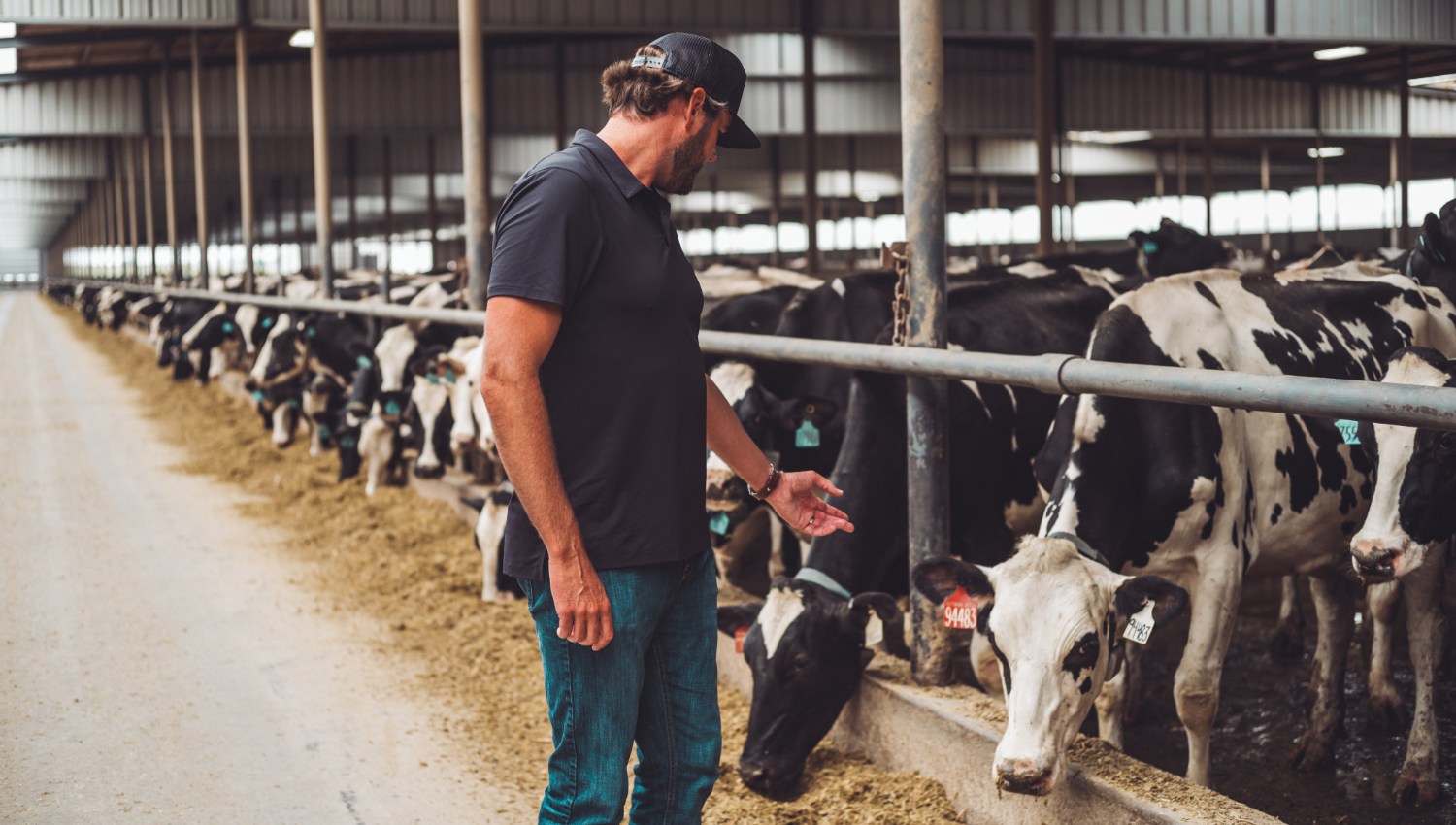
Caring for dairy cows is a daily commitment. Farmers provide balanced nutrition, clean water, comfortable places to rest and regular monitoring to support the health and well-being of their herds.
That everyday care is part of the commitment behind the dairy foods families know and trust.
Understanding New World Screwworm
New World screwworm is a pest that can affect warm-blooded animals, including livestock. It occurs when screwworm flies lay eggs in wounds or other vulnerable areas. Once hatched, the larvae can cause serious injury if not quickly identified and treated.
That is why monitoring, prevention and early response are so important. Veterinarians, state and federal agencies and animal health officials are working together to share information, monitor for signs and respond quickly if cases occur.
Importantly, New World screwworm is not a foodborne pathogen and does not spread through milk or dairy products. U.S. dairy products remain safe and wholesome.
Working Together to Protect Animal Health
Protecting animal health is a shared responsibility. Dairy farmers, veterinarians, researchers and animal health officials work together to monitor emerging issues, share science-based information and follow best practices that support animal well-being.
This collaboration helps ensure farmers have the information and resources they need to continue caring for their animals and producing safe, nutritious dairy foods.
A Commitment Consumers Can Trust
Consumers trust dairy farmers to care for their animals and provide nutritious dairy foods for their families. That trust is built on generations of responsible animal care, attention to herd health and a commitment to producing high-quality dairy products.
As animal health experts continue monitoring New World screwworm, dairy farmers will continue caring for their animals, protecting herd health and providing safe, wholesome and nutritious dairy foods for families across the world.