

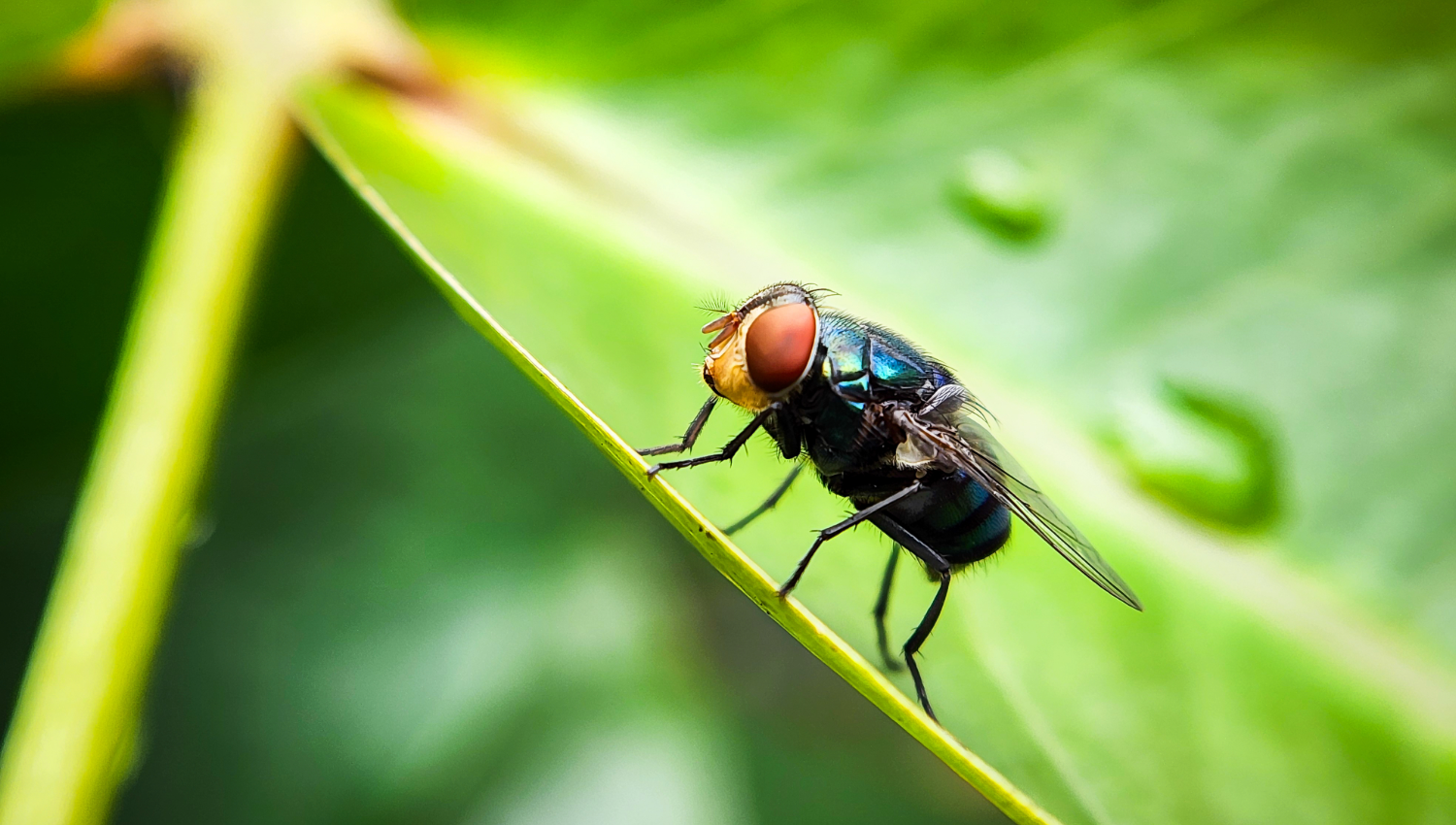
SUSPECT NEW WORLD SCREWWORM?
Updated June 15, 2026
The U.S. Department of Agriculture (USDA) has confirmed 12 cases of New World screwworm in the U.S. in Texas and New Mexico. The first case was confirmed on June 3, which marked the first detection of this pest in the United States since it was declared eradicated in 1966. The cases have included cattle, goats, sheep and a dog.
To mitigate spread of New World screwworm, agencies like the USDA, Texas Animal Health Commission (TAHC) and New Mexico Livestock Board have established 20-kilometer infested zones and adjacent surveillance zones around confirmed cases. For cases in Texas, you can view these zones on TAHC's interactive map.
While these developments raise concern, it is one that the dairy and agriculture communities have been preparing for over the past year.
A Coordinated Response is Underway
USDA, in partnership with the Texas Animal Health Commission and other agencies, has activated the New World Screwworm Response Playbook to contain the situation quickly and effectively.
Response measures include:
- Establishing a 20 km quarantine zone around the detection
- Restricting animal movement and increasing surveillance
- Deploying response teams to the affected area
- Expanding sterile fly release efforts to suppress the population
- Increasing trapping and monitoring along the border
- Implementing wildlife surveillance
These steps are designed to prevent the pest from spreading or becoming established in the United States.
Understanding the Risk to Dairy Cattle
New World screwworm is not a disease and does not impact the safety of milk or dairy products.
However, it presents a serious risk to animal welfare and dairy operations. Infestations occur when flies lay eggs in open wounds, and the larvae feed on living tissue. Left untreated, this can result in severe injury, production loss or death.
What Dairy Producers Should Watch For
Producers should remain vigilant and inspect animals for:
- Draining or expanding wounds
- Signs of discomfort or distress
- Presence of larvae (maggots) or eggs in wounds or body openings
Newborn animals and those with recent injuries or procedures are at higher risk.
Prevention & Early Detection are Critical
Prompt detection and response are key to preventing spread.
Producers should:
- Routinely inspect their herd
- Treat all wounds immediately
- Minimize procedures that create open wounds when risk is elevated
- Report suspected cases without delay
Staying Prepared
The confirmation of NWS in Texas reinforces the importance of strong biosecurity and awareness across the dairy industry.
Review your herd health protocols today and ensure employees are trained to recognize the signs of screwworm. If you suspect a case, contact your veterinarian or state animal health official immediately.
Dairy MAX will continue to provide updates and resources as the situation evolves.
Visit screwworm.gov or screwwormtx.org for more information and resources to help you stay up-to-date and prepared.